
The Ultimate Eco-Friendly Travel Guide to Europe: How to Travel Sustainably
Posted by Jason Fiore on Dec 11th 2025
Europe is calling. You can already picture the cobblestone streets of Prague, the sun-drenched cliffs of the Algarve, and the rolling vineyards of Tuscany. But if you’re reading this, you probably feel that familiar tug-of-war: the burning desire to see the world versus the guilt of the footprint you leave behind.
You aren't alone in feeling this. The good news is that sustainable travel isn't just about carbon offsets or staying in expensive eco-resorts.
It’s about slowing down, making intentional choices, and using gear that lasts. At Earth Ragz, we believe sustainability should be accessible to everyone—whether you’re backpacking on a student budget or taking a slow family vacation.
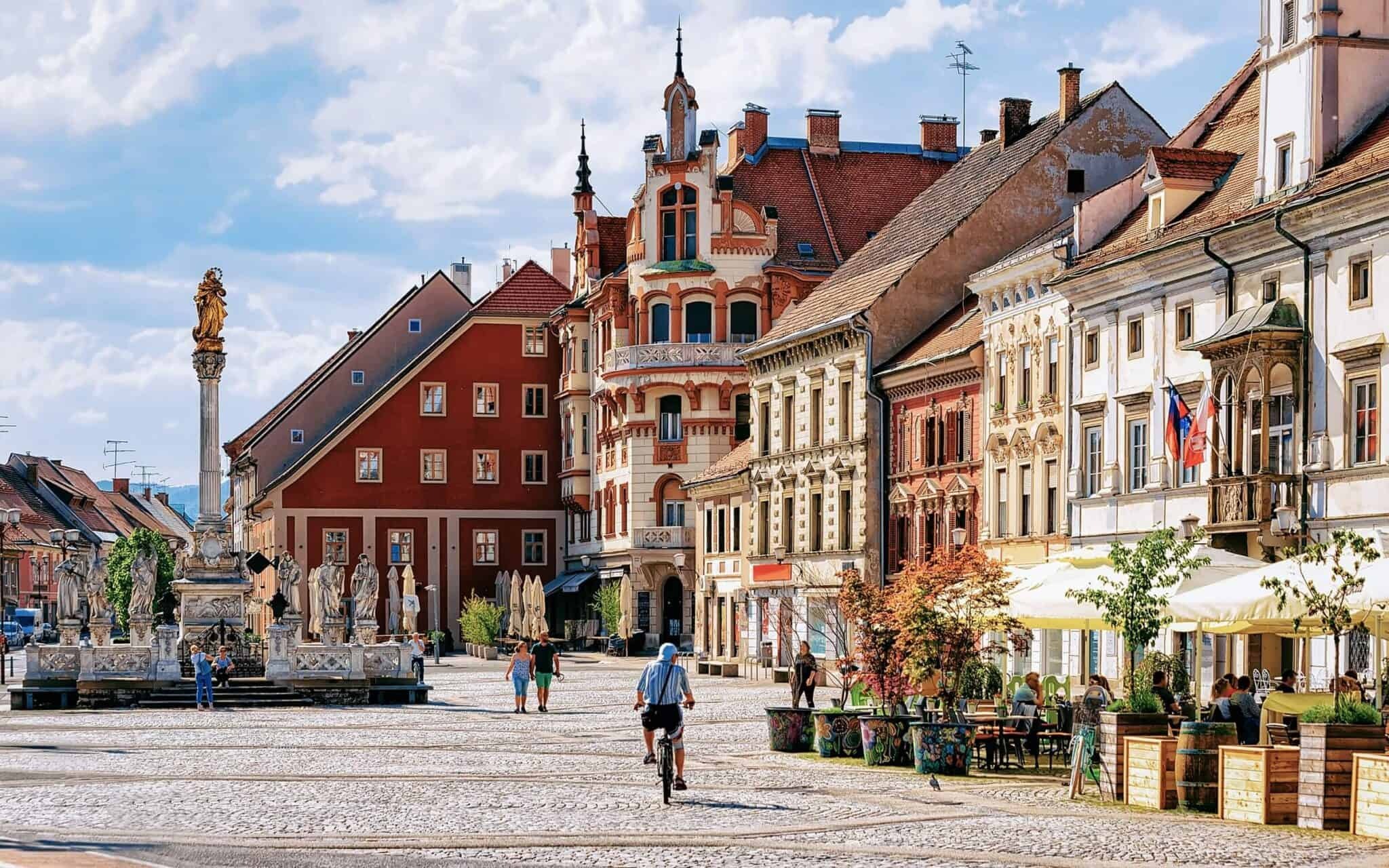 Slow travel starts here—wander cobblestone streets, choose intentional routes, and explore Europe with a lighter footprint. Source
This guide will help you navigate Europe with a lighter footprint, save money, and spot the difference between genuine sustainability and overblown marketing claims.
3 Truths About Eco-Travel (That Might Annoy the Industry)
Before we pack our bags, let's clear the air. There is a lot of noise in the sustainable travel space. Here are a few honest takes to set the stage:
- "Travel Clothes" Are Often a Scam. You don't need a $200 shirt made of "space-age eco-fibers" to walk around Rome. The most sustainable clothes are the ones already in your closet or durable, recycled staples that improve with age.
- Offsets Don't Erase Your Flight. While buying carbon offsets is better than nothing, it doesn't magically undo the emissions of a flight. The real solution is changing how you move once you land.
- Greenwashing is Rampant. Putting a "save the planet, reuse your towel" sign in a bathroom does not make a hotel eco-friendly. Real sustainability is in the energy source, the supply chain, and the waste management—things you often can't see.
The New Golden Age of Rail: Sleep Your Way Across Europe
If you want to drastically lower your carbon footprint, the answer is simple: Take the train.
Europe is currently experiencing a massive resurgence in overnight rail travel. This is the ultimate hack for budget travelers because it combines your transport and your accommodation into one cost.
Top Eco-Routes for 2025:
- The European Sleeper: This growing night-train service is helping bring back the golden age of slow, sustainable travel. Its core route currently links Brussels and Amsterdam with Berlin, Dresden, and Prague — and also highlights a wider network of destinations, including cities like Paris, Barcelona, Rotterdam, and Milan. Routes are expanding, so it's worth checking their timetable before you book. Either way, the experience stays the same: settle into your cabin at night and wake up in a new country by morning.
- ÖBB Nightjet: Austria’s rail service is the gold standard. New routes now connect Vienna to Paris, Brussels, and Rome. They are expanding their fleet with modern, private cabins, making the journey as comfortable as a hotel.
- The Slow Train: In countries like Italy and Germany, regional trains are significantly cheaper than high-speed options. They take longer, but they offer better views and a chance to interact with locals.
Pro Tip: Trains can be surprisingly chilly, especially the air-conditioned sleepers. This is where your Earth Ragz Baja Hoodie shines. It’s the perfect breathable, warm layer for a drafty train cabin, and because it’s durable, you can bunch it up and use it as a pillow without worrying about wrinkles.
 A cozy, breathable Baja hoodie—perfect for chilly train rides or rolling into a long journey with comfort and style. Source
Where to Go: The 2025 Green List
Skip the overcrowding of Venice and Barcelona. Go where your tourism dollars support communities that are actively protecting their environment.
1. Maribor, Slovenia
While Ljubljana often steals the spotlight, Maribor has been named the European Best Green Capital for 2025 by European Best Destinations (EBD). It is a shining example of sustainable urban living, featuring a car-free center, extensive cycling paths, and a focus on local gastronomy. It is surrounded by the Pohorje forests—perfect for hiking—and boasts the oldest vine in the world.
 Slow down in Slovenia’s riverside cities, where colorful streets and eco-minded living create the perfect green-travel escape. Source
2. The Azores, Portugal
If you crave adventure, this archipelago in the mid-Atlantic is a leader in sustainable tourism. They have strict regulations on development to protect their volcanic landscapes and marine life. It is the ideal spot for hiking, whale watching, and surfing.
- Gear Check: For beach days or damp mornings in the Azores, an Earth Ragz Sand Free Towel is essential. It dries quickly, shakes off sand instantly, and packs down small.
 A quick-dry, sand-resistant towel that packs light—perfect for beach days, misty mornings, or island adventures. Source
3. Copenhagen, Denmark
Expensive? Yes. But still one of the most inspiring sustainability leaders in Europe.
Copenhagen originally aimed to become the world’s first carbon-neutral capital by 2025, but the city officially revised that goal in 2022 after its waste-to-energy plant couldn’t secure funding for full carbon-capture technology (The Copenhagen Post, 2022). Instead of giving up, the city shifted to a longer-term climate plan — investing heavily in green mobility, renewable energy, and innovative carbon-capture solutions.
You can ski down the roof of the CopenHill waste-to-energy plant, swim in the clean harbor baths, and eat at organic street-food markets, all while exploring a city still pushing hard toward carbon neutrality — just on a more realistic timeline.
The Art of Low-Waste Packing
Overpacking is the enemy of eco-travel. Heavy bags increase fuel consumption (on planes and cars) and make you more reliant on taxis rather than walking or taking public transit.
Here is how to pack like a pro using the "closing the loop" philosophy:
1. The Capsule Wardrobe
Pack versatile layers that can take a beating. You need items that work for a hike in the Alps, a chill evening at a hostel, and a long bus ride.
- The Hero Item: The Baja Hoodie. It’s iconic for a reason. Whether you call it a drug rug or a surf poncho, it is warm, tough, and stylish in a boho way. Unlike fast-fashion fleece that sheds microplastics, our Bajas are made from recycled fibers, preventing textile waste from hitting landfills.
- Note: Because our items are woven from recycled materials, colors and patterns vary, making your hoodie completely unique to your trip.
 A warm, rugged Baja hoodie made from recycled fibers—unique patterns, no microplastics, and built for every adventure. Source
2. The Multi-Purpose Throw
Never travel without a good blanket. In Europe, you will use it for:
- Picnics in city parks (very popular in Paris and Berlin).
- An extra layer in a cold hostel bed.
- A yoga mat substitute for morning stretches.
- A beach throw in the Mediterranean.
- Our Pick: A Mexican Striped Blanket or a Svaroopa Yoga Blanket. They are thick enough to provide cushion but durable enough for the outdoors. Plus, at $28–$40, you aren't risking a precious heirloom if it gets a little dirty.
3. The Zero-Waste Kit
Single-use plastic is becoming harder to find in Europe due to new laws, but it’s still around. Bring your own kit to refuse disposables:
- Reusable Water Bottle: Tap water is safe to drink almost everywhere in Western and Central Europe.
- Solid Toiletries: Shampoo bars and soap bars save weight and eliminate plastic bottles.
- The Shopping Bag: Grocery stores in Europe almost always charge for bags. Bring a sturdy Earth Ragz Market Bag (made from recycled fibers). It’s strong enough to carry wine bottles, cheese, and souvenirs, and it looks much better than a plastic sack.
 A sturdy recycled-fiber market bag that carries groceries, wine, and souvenirs—without relying on plastic. Source
Eating & Sleeping: Spotting the Real Deal
Accommodation
When booking a place to stay, look for legitimate certifications like Green Key or the EU Ecolabel. These aren't just paid-for badges; they require audits on water usage, energy efficiency, and chemical use.
- Budget Hack: Consider "Agriturismo" in Italy or farm-stays in Austria. You stay on working farms, often eating food grown on-site. It supports the local agricultural economy directly.
Dining
One of the best ways to lower your footprint is to eat locally. Imported food has a high carbon cost.
- Markets are King: Every European town has a weekly farmers market. Buy fresh bread, local cheese, and seasonal fruit. It’s cheaper than a restaurant and zero-waste if you bring your own bag.
- Seasonal Eating: If you are in Europe in winter, don't order the strawberries. Eat what is in season (root vegetables, citrus in the south). It tastes better and costs less.
Behavior: Leave No Trace
Eco-travel is 50% where you go and 50% how you act.
- Respect the "Quiet Hours": In many European historic centers, residents live right above the bars. Noise pollution is a major issue that drives locals away.
- Support Local Artisans: Avoid cheap, mass-produced souvenir shops that sell plastic trinkets made overseas. If you buy a souvenir, buy it from the person who made it.
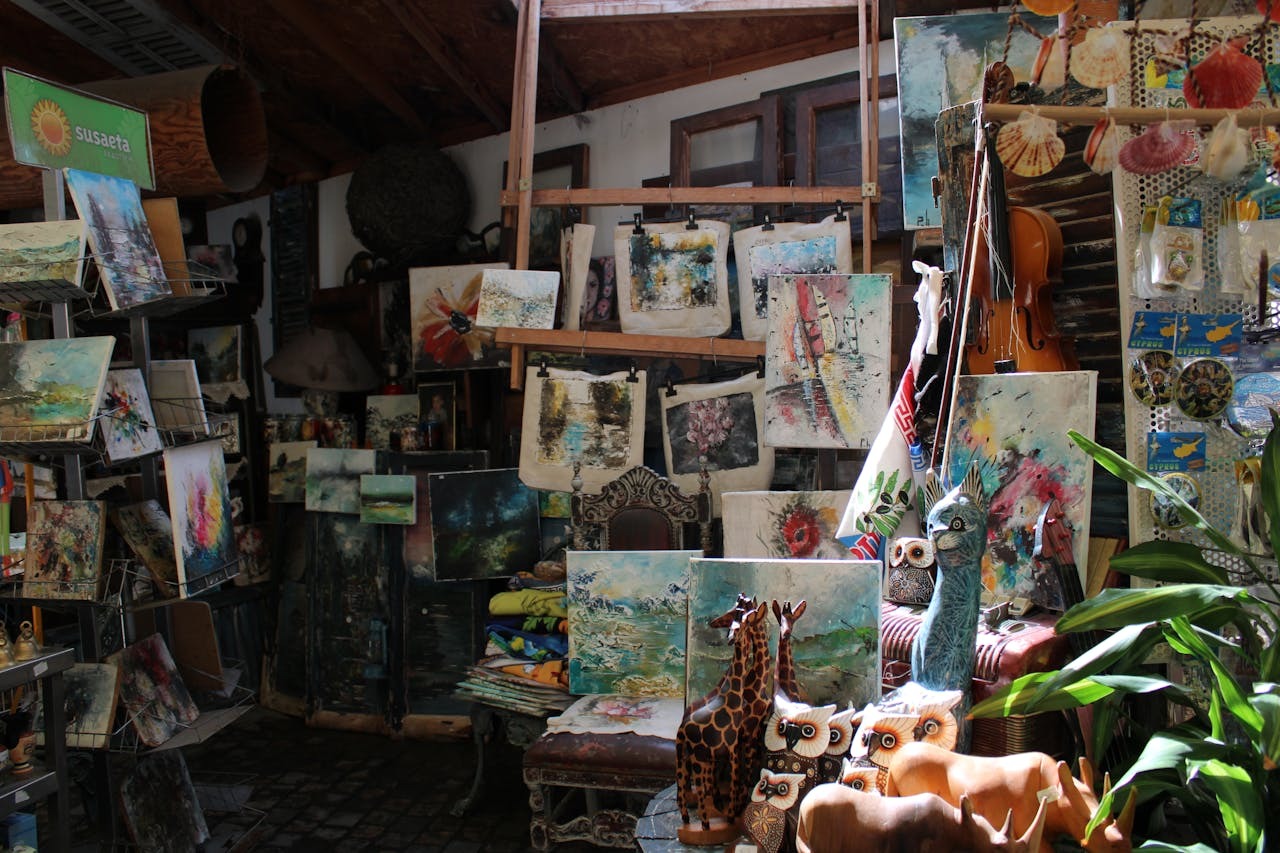 Bring home a story, not a souvenir—handmade pieces carry the spirit of the place and the hands that shaped them. Source
- Don't litter (obviously): But also, pick up litter if you see it. Leave the place better than you found it.
Your Next Adventure Starts Now
Sustainable travel doesn't mean you have to be perfect. It just means being conscious of your impact. By choosing trains over planes, slow food over fast food, and durable recycled gear over disposable fashion, you are making a difference.
At Earth Ragz, we are proud to help you pack for this journey. Our gear is built for the road, affordable for the budget backpacker, and committed to keeping textile waste out of landfills.