
The Eco-Practical Guide to Sustainable Backpacking: Gear That Lasts, Trips That Don't Waste
Posted by Jason Fiore on Dec 8th 2025
When I first hit the road years ago, I packed like everyone else: cheap, fast, and ultimately wasteful. I bought gear that fell apart after a season and watched my disposable containers pile up at every campsite. The truth is, chasing sustainability doesn't have to mean overhauling your bank account or sacrificing durability.
 Sustainable trips start with durable gear—and a moment to pause, plan, and appreciate the landscape you're trying to protect. Source
Our mission at Earth Ragz is to empower you to improve the environment by preventing further waste, proving that eco-friendliness is accessible, not exclusive. This guide strips away the greenwashing to show you the practical, affordable ways to travel lighter and leave a better trace.
Challenging the Status Quo: Four Hard Truths About Travel
The outdoor industry often suggests you need a wallet full of cash to be genuinely eco-friendly. That’s a myth we need to retire right now. True sustainability is less about buying the newest, high-tech item and more about mindful planning, durability, and a simple commitment to reuse.
1. The most sustainable gear purchase is the one you don't make. Before clicking "add to cart," repair, borrow, or buy used. New manufacturing, even with recycled materials, still carries an environmental impact.
2. Affordable gear that lasts beats expensive "eco-optimized" gear that quits. A jacket that costs $500 but tears after a year is less sustainable than a durable, $40 layer you can wear for a decade. Look for true cost-per-use savings.
3. An apple core is still litter. Even "biodegradable" food scraps, like banana peels or nuts, can disrupt a local ecosystem, attract wildlife to trails, and take years to disappear. Pack out everything you pack in.
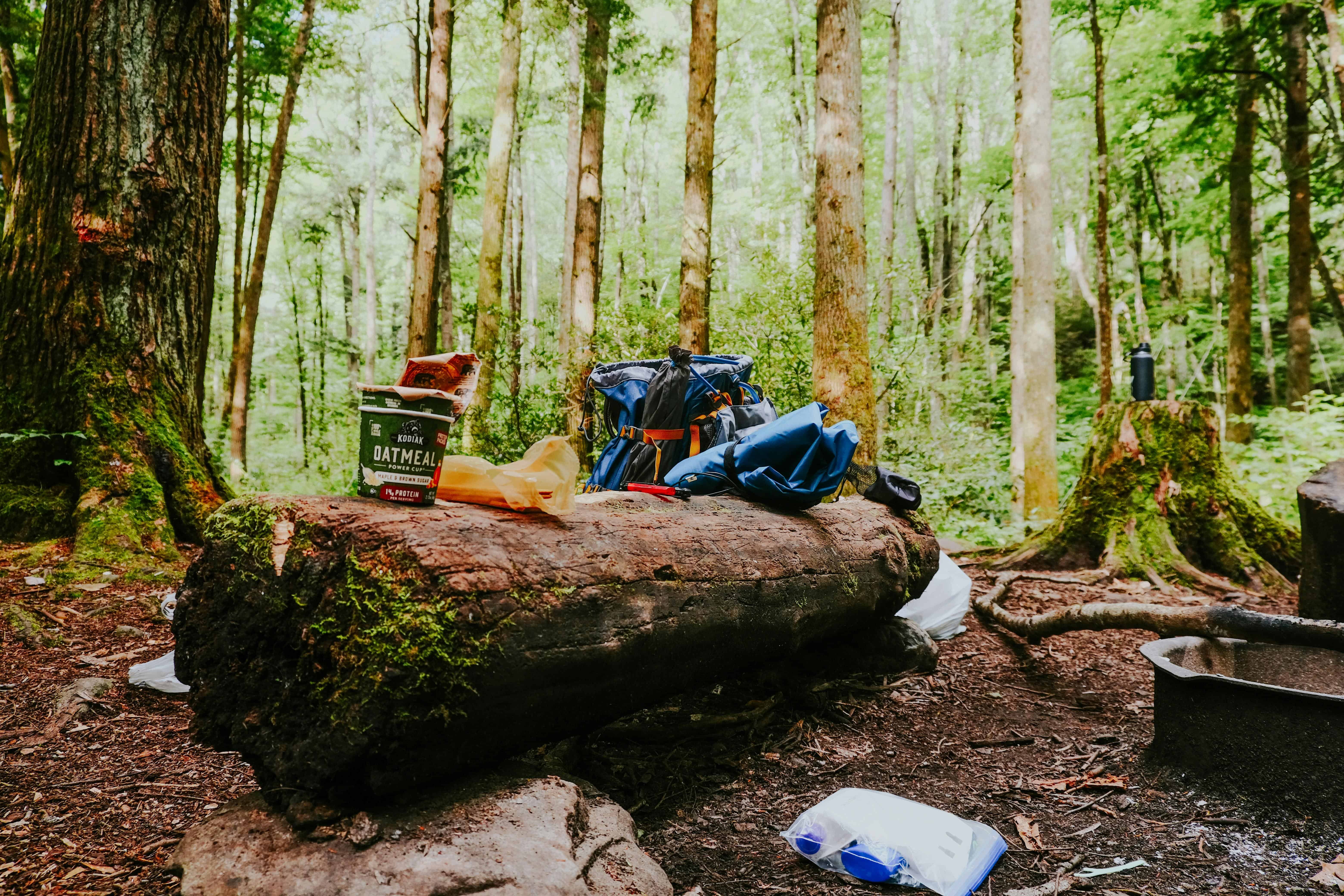 Even small scraps and forgotten packaging disrupt wildlife—pack out everything you bring into the backcountry. Source
4. Your biggest environmental impact often happens before you hit the trail. What you choose to buy, how it was made, and how long it lasts matters more than the few days you spend outside. Choose durable goods made from waste to close the loop.
Part 1: Your Ethical Compass—The 7 Leave No Trace Principles
Backpacking sustainably starts with a mindset, not a shopping list. The backbone of eco-conscious outdoor travel is the Leave No Trace (LNT) philosophy. These principles are your simple guide to minimizing your impact on the land so everyone who follows can enjoy the same wild experience.
1. Plan Ahead and Prepare
Know the regulations for the land you're visiting—check for fire bans, permits, or specific rules for waste. Repackage all your food at home to reduce bulky packaging waste on the trail. Plan your meals carefully to avoid leftovers that are hard to pack out. For navigation, stick to maps and compasses to avoid reliance on phones or creating unnecessary trail markers.
2. Travel and Camp on Durable Surfaces
Stick to existing trails, even if they are muddy or wet. Cutting corners or creating new paths erodes the soil and destroys fragile plant life. In high-use areas, camp only in established sites. If you’re in a pristine, remote area, spread your tents out to avoid creating a new permanent campsite. Always pitch your tent and take breaks at least 200 feet (about 70 steps) away from water sources, campfires, and trails.
 Choose established campsites and keep your tent well away from water to protect soil, plant life, and wilderness trails. Source
3. Dispose of Waste Properly
This is simple: Pack it in, pack it out. This includes food scraps, plastic, foil, and even things you think will decompose quickly, like fruit peels or tea bags. Solid human waste should be deposited in a "cat hole" dug 6 to 8 inches deep, at least 200 feet from water, camp, or trails. Pack out all toilet paper and hygiene products. When washing dishes or yourself, use a minimal amount of biodegradable soap, carry the water 200 feet away from waterways, and scatter the strained wastewater.
4. Leave What You Find
Resist the urge to collect souvenirs. Leave rocks, plants, shells, antlers, and historical artifacts where they are. Moving them can disrupt the ecosystem and ruin the experience for others. Do not build structures, rock cairns (piles), or dig trenches around your tent. Before you go, clean the mud and debris from your boots and gear to prevent the transport of invasive species to a new area.
5. Minimize Campfire Impacts
Use a lightweight, portable stove for cooking. Stoves are faster, cleaner, and more reliable than fires. If a campfire is allowed, use existing fire rings. Keep the fire small and use only dead wood that is already on the ground and can be easily broken by hand. Never cut wood from a living tree. When you're done, let the wood burn completely to ash, soak the ashes with water until they are cool to the touch, and scatter them widely.
6. Respect Wildlife
Observe animals from a distance and never, ever feed them. Wild animals that become dependent on human food often become aggressive and have to be removed. Secure all food and trash, especially at night, using bear canisters, odor-proof bags, or proper hanging techniques. Keep pets under control and avoid sensitive areas during mating and nesting seasons.
 Give wildlife plenty of space—feeding animals or leaving food out puts them at risk and disrupts the balance of the backcountry. Source
7. Be Considerate of Others
Treat the outdoors as a shared space. Yield to others on the trail—hikers going uphill generally have the right of way. Take breaks away from the main trail. Keep voices and noise levels low, opting to enjoy the sounds of nature instead of playing loud music. Your goal is to not detract from anyone else's experience.
Part 2: Rethink Your Gear—Choosing Sustainable Outdoor Essentials
The single most sustainable choice you can make is to buy durable gear that comes from a responsible source. The longer an item lasts, the fewer resources are needed to replace it. For eco-conscious travelers and minimalists, prioritizing recycled and long-lasting materials is the way to win.
The Magic of Recycled Fibers and Mid-Layers
When choosing apparel, look past virgin materials and straight to recycled fabrics. They reduce landfill waste and require far less energy and water to produce than new polyester, nylon, or cotton. This is where you can genuinely close the loop on textile waste.
An essential piece of sustainable gear is a reliable mid-layer. You need something warm, durable, and versatile that won't require special care or replacement every season.
The Earth Ragz Baja Hoodie: Affordable Durability
For the eco-practical traveler, hiker, and digital nomad, the Baja hoodie is the ideal piece of gear.
 A durable, recycled-fiber Baja hoodie built for road trips, cool nights, and anyone who values comfort without the eco-guilt. Source
- Affordable Sustainability: A good, durable Baja from Earth Ragz costs between $35 and $45, an accessible price point compared to many high-priced "sustainable" brands.
- A Wear-Anywhere Layer: Our Baja hoodies are made from recycled fibers, transforming textile waste into an everyday product you can use and enjoy. They serve as a warm, functional mid-layer that easily withstands years of festivals, road trips, and cool nights at the campsite.
- Closing the Loop: Every time you choose an Earth Ragz Baja, you are preventing further textile waste. This is our unique value proposition: creating affordable, durable goods from materials that would otherwise clog landfills.
- Debunking the Myth: While the Baja hoodie has a history associated with counter-culture and surf gear, the truth is it's an iconic, practical piece of clothing perfect for anyone who values comfort and authenticity—not just a specific subculture.
We offer a much wider selection of colors and patterns than many competitors, but please note that because our items are made of recycled fibers, colors can vary slightly from batch to batch—that’s the beautiful, authentic nature of reclaimed material.
Key Sustainable Gear Attributes to Look For:
- The Material Story: Look for certifications like GOTS (Organic Cotton), Responsible Down Standard (RDS), or fabrics made from recycled polyester and nylon. Prioritize materials like hemp or Merino wool.
- Built to be Repaired: The truly sustainable brands offer repair services or design their items to be easily fixed. Look for durable construction and strong zippers—the number one point of failure.
- Chemical Responsibility: Choose rainwear, tents, and packs that use PFC-free (perfluorocarbon-free) water repellency. PFCs are persistent chemicals harmful to the environment.
- The Sleep System: Choose sleeping bags and pads made with recycled insulation and materials, or look for ethical certifications like bluesign for non-toxic finishes.
Part 3: Zero-Waste Packing—Reusables That Save You Money
The easiest way to cut your waste footprint is to eliminate single-use plastics from your kit. This is where small, reusable items create massive, long-term cost-per-use savings. We’ve linked a trusted, eco-friendly product directly in the Sustainable Alternative column so you can upgrade your kit with confidence.
The Reusables Kit: Replace the Disposables
|
Disposable Item |
Sustainable Alternative |
Earth Ragz Relevance |
|
Single-Use Water Bottles |
Essential for minimizing plastic waste. Pair with a lightweight water filter/purifier. |
|
|
Paper Towels/Napkins |
Cloth Napkins or a simple, multi-purpose rag |
A durable cloth replaces dozens of paper towels. Wash, reuse, repeat. Can be carried in an Earth Ragz eco-friendly bag. |
|
Snack Baggies & Wrappers |
Reusable Food Storage Bags, silicone containers, or bulk bags |
Buy nuts, oats, and snacks in bulk and repackage them. Use our eco-friendly bags to organize your kit and minimize plastic. |
|
Plastic Utensils/Straws |
Lightweight, easy to clean, and cuts the need for disposable forks on the road. |
|
|
Plastic Toothbrush/Tube |
Eliminates plastic and is often packaged in compostable materials. Solid toiletries (shampoo/soap bars) also eliminate liquid plastic bottles. |
Beyond the Basics: Multi-Functional Textiles
When you pack items that serve more than one purpose, you save weight, space, and money.
- The Baja Hoodie: Not just a layer, it’s a comfy travel pillow on a bus, a sturdy sit pad on a cold rock, or a quick cover-up for modesty.
- The Durable Blanket: An Earth Ragz Mexican blanket is perfect for van life, car camping, or as a vibrant, durable throw that adds style without the high cost of high-end home goods. Our Svaroopa Yoga Blankets are also ideal for long-term travelers focused on wellness, providing a thick, durable cushion that is easy to transport.
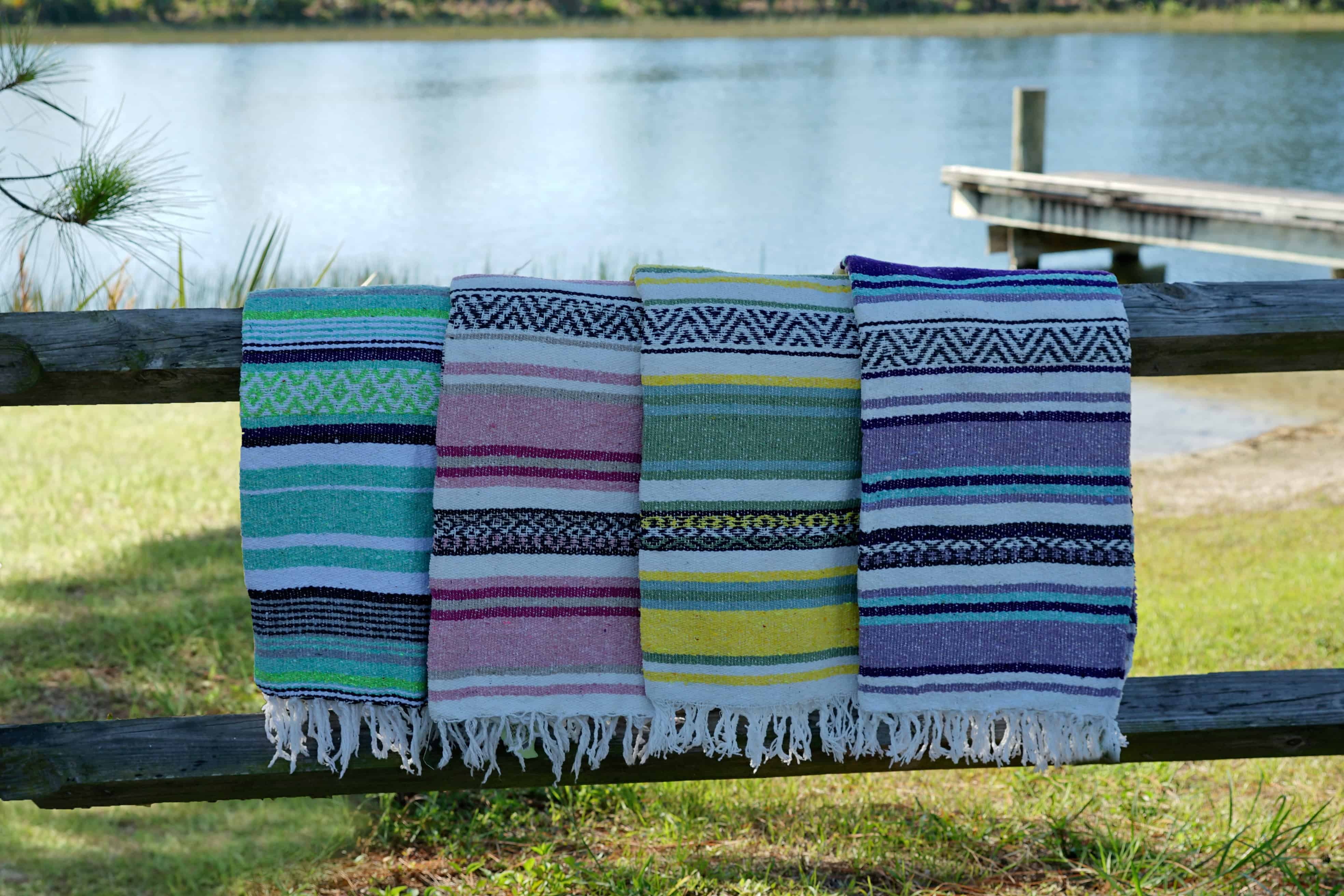 Versatile, durable, and full of color—these woven blankets bring comfort to van life, campsites, and everyday adventures. Source
- The Quick-Dry Solution: For any trip involving water, our Sand Free Towels are the practical, lightweight choice for beach days or quick-drying camp utility.
By prioritizing items that are affordable, durable, and made from waste, you’re not just saving money—you’re participating in a bigger movement. You're proving that you don't need to be wealthy to be eco-friendly. You just need to choose products designed for life, not for the landfill. Grab a rag that lasts, saves money, and cuts waste.