
Are Recycled Blankets Good for Camping? A Complete Guide
Posted by Jason Fiore on Dec 18th 2025
You’ve likely stood in an outdoor retailer, staring at a wall of gear, wondering why a simple blanket costs as much as a car payment. We have been conditioned to believe that unless our gear is brand new, engineered by NASA, and wrapped in plastic, it won’t survive a night in the woods.
But for the eco-conscious camper, the most advanced choice isn't always the newest—it’s the one that closes the loop on waste. Recycled blankets aren't just "good" for camping; they are often superior to their virgin-fiber counterparts in character, cost, and environmental impact.
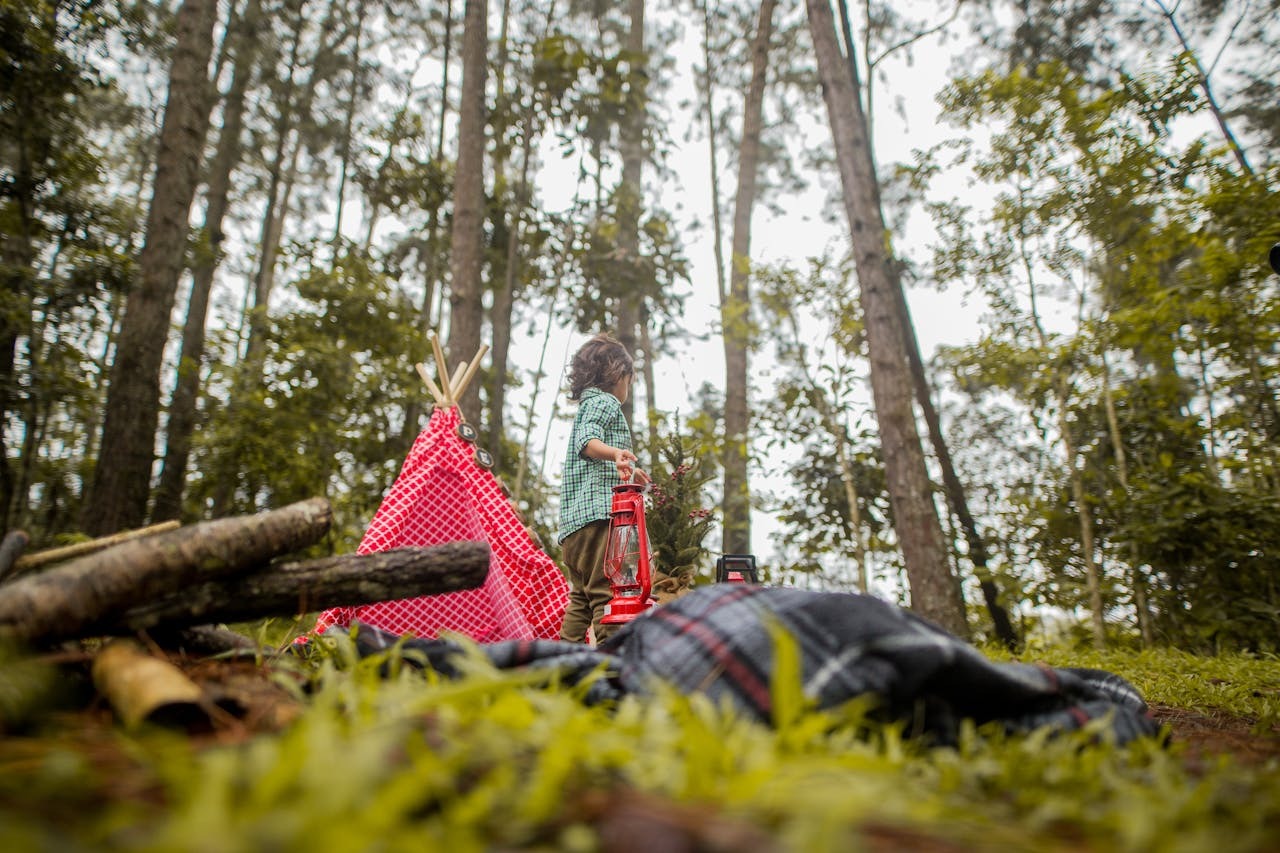
Recycled blankets bring warmth, comfort, and sustainability to the campsite—proof that rugged gear doesn’t need to be new to be trusted. Source
Choosing a recycled blanket is a vote for a circular economy. It means taking textile waste—often destined for landfills—and giving it a second life as a rugged, warm layer for your next adventure. Whether you are a van-lifer watching your budget or a weekend warrior trying to reduce your carbon footprint, switching to recycled fibers empowers you to improve the environment without sacrificing performance.
3 Hard Truths About Camping Gear
- New Isn't Always Better: A brand-new synthetic blanket generates fresh carbon emissions and demand for virgin petroleum products. A recycled blanket prevents waste.
- "Technical" is Often Overkill: Unless you are summiting Everest, you probably don't need a $200 blanket. Simple, heavy-duty woven textiles have kept humans warm for centuries.
- Dirt is Part of the Deal: Expensive gear makes you afraid of the campfire. Affordable, durable recycled gear invites you to actually use it.
The Landscape: Technical Puffy vs. Woven Classics
When you search for recycled camping blankets, you will generally find two distinct categories. Understanding the difference is key to making the right decision for your setup.
1. The Technical Puffy (e.g., Rumpl)
These are the modern "sleeping bag" style blankets. They often feature:
- Ripstop Material: A grid-woven nylon or polyester shell designed to stop tears from spreading.
- DWR Coatings: Durable Water Repellent finishes that make water bead up and roll off.
- 3D Featherlight Fiber: Synthetic insulation (often made from recycled bottles) that mimics down.
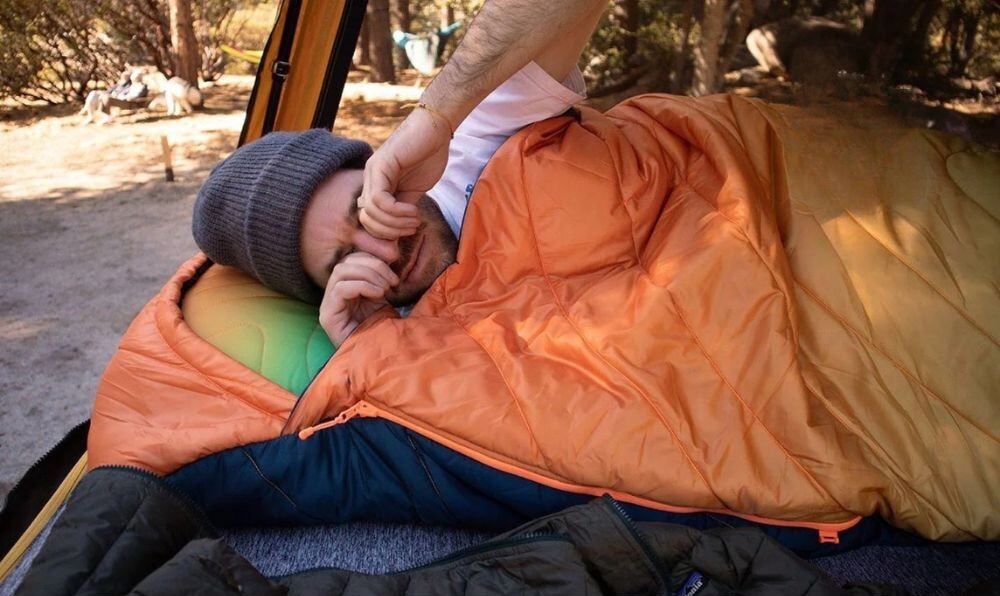
A modern puffy blanket built for adventure—warm, water-resistant, and tough enough to handle life on the road. Source
2. The Woven Classic (e.g., Earth Ragz)
These are the authentic, heavy-duty blankets often associated with surf and camp culture. They feature:
- Recycled Fiber Blends: A mix of acrylic, polyester, and cotton regenerated from textile waste.
- Thermal Mass: Warmth comes from the weight and weave of the fabric rather than trapped air.
- Rugged Authenticity: Designed to be thrown on the ground, sat on, and washed repeatedly without losing integrity.
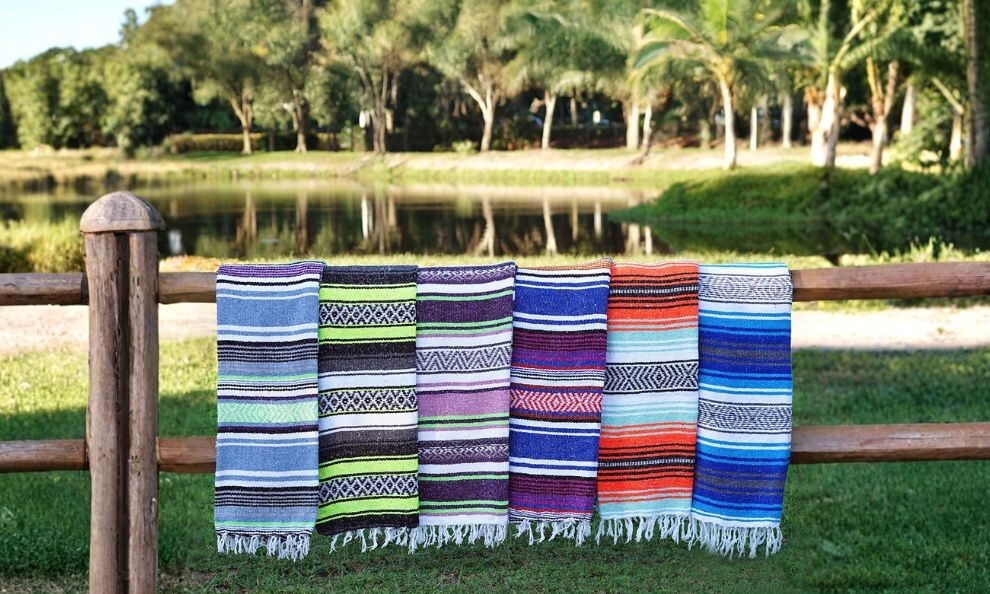
Heavy-duty woven blankets built for real outdoor use—toss them down, warm up, and adventure without worrying about wear. Source
Durability: Ripstop vs. The "Use It Everywhere" Test
Durability is the primary concern for any camper. Technical blankets rely on Ripstop material, which is fantastic for preventing catastrophic tears if you snag your blanket on a branch. However, the shell fabrics can still be sensitive to sparks from a campfire. One stray ember can melt a hole through the thin synthetic shell of a pricey puffy blanket instantly.
In contrast, woven recycled blankets—like the ones we craft at Earth Ragz—offer a different kind of durability. Because they are thick and woven from blended fibers, they are less "precious." You can use them as a rug inside your tent, a picnic mat on rocky ground, or a wrap by the fire. If they get dirty, you wash them. This utility is where Earth Ragz shines: our products are affordable enough ($26–$40) that you won't hesitate to use them, yet durable enough to withstand years of road trips and festivals.
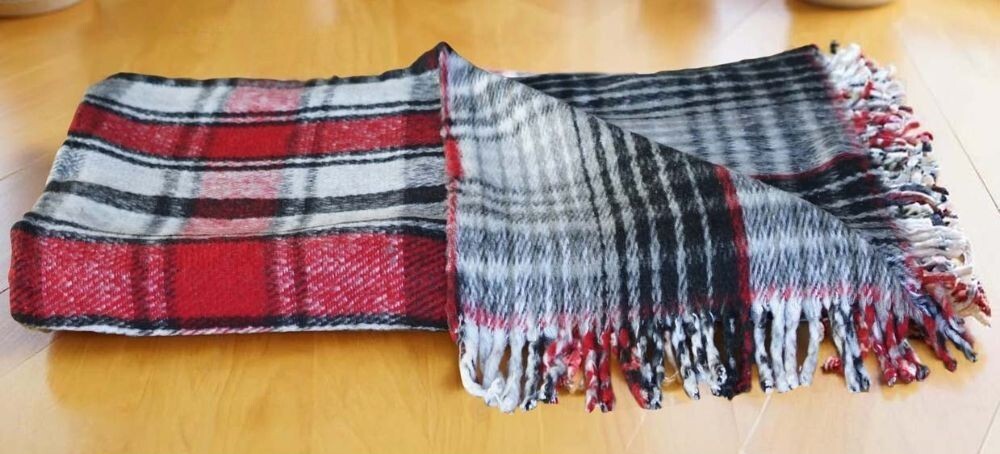
Woven to handle dirt, fire pits, and road trips—these blankets thrive where delicate gear can’t. Source
Warmth: Active Insulation vs. Layering
How do they keep you warm? Technical blankets often use three-layer construction or 3D Featherlight Fiber to trap body heat efficiently while remaining lightweight. This is excellent for backpacking where every ounce counts.
However, for car camping, van life, or hanging out at the beach, weight is less of a factor than comfort. Woven blankets provide warmth through density. They block the wind and add a heavy, comforting layer that feels more like a hug than a piece of camping equipment. For maximum versatility, many campers use a layering system: a Baja hoodie for personal warmth and a heavy woven blanket over their legs.
Water Resistance vs. Washability
This is where the divide is sharpest. Technical blankets with DWR coatings shed water brilliantly. If you plan to sleep under the stars in a drizzle, this feature is non-negotiable.
But let’s be honest: most of us retreat to a tent or van when it rains. For general dampness—morning dew or wet sand—recycled woven blankets perform admirably because they are breathable. Unlike some synthetics that trap moisture against your skin, a woven blend allows airflow. Plus, when a woven blanket gets muddy, you simply throw it in the wash. There is no delicate DWR coating to re-apply or worry about degrading over time.
The Earth Ragz Advantage: Authenticity & Affordability
While high-tech gear has its place, there is a reason the "Baja" style has remained an icon of outdoor culture for decades. It represents a rejection of the overpriced and the over-engineered.
Why choose Earth Ragz?
- Unbeatable Value: Sustainable living shouldn't be a luxury. Our blankets and hoodies sit in the $26–$40 range, making them accessible to students, dirtbags, and families alike.
- Wider Selection: Unlike competitors who offer limited runs, we provide a massive variety of colors and patterns to match your unique vibe.
- Closing the Loop: Every product you buy prevents textile waste from clogging landfills. You aren't just buying a blanket; you are buying a solution to a global problem.
Note on Variations: Because our items are made from recycled fibers, colorways can vary slightly. This isn't a bug; it's a feature of the recycling process that ensures your gear is one-of-a-kind.
Debunking the Myths
Myth 1: "Baja Hoodies are just for drug culture."
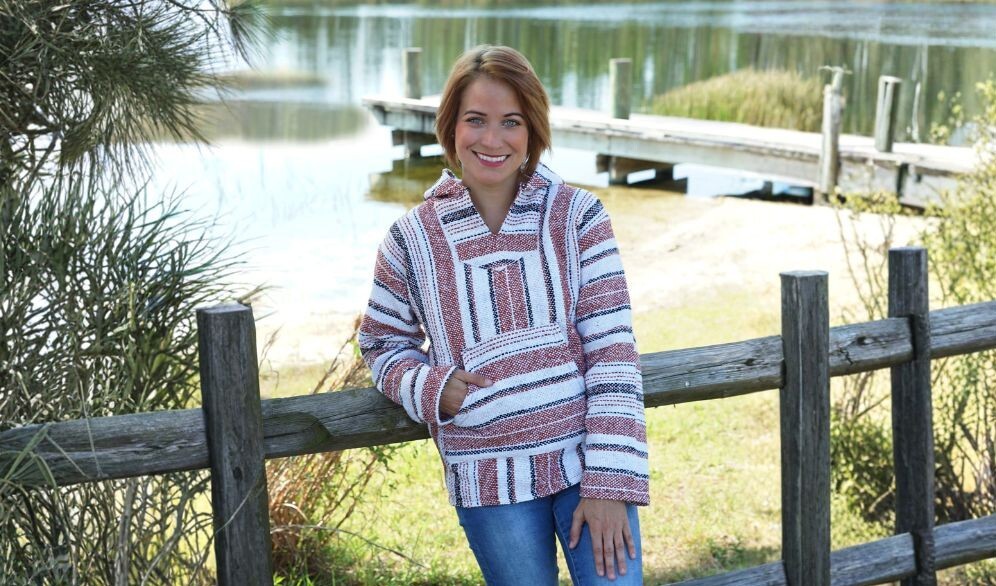
A hoodie with history—born from surf culture, embraced for warmth, durability, and a laid-back eco-minded lifestyle. Source
Reality: This is an outdated stereotype. The Baja hoodie (or "jerga") is a legitimate piece of surf and outdoor gear. It was adopted by surfers in the 70s for its ability to provide instant warmth after getting out of the cold ocean. Today, it is a symbol of counter-culture, eco-awareness, and a laid-back lifestyle. It’s practical, rugged, and iconic.
Myth 2: "Sustainable gear is always expensive."
Reality: It doesn't have to be. While some brands charge a "green tax," Earth Ragz proves that using waste materials can actually lower costs. We turn trash into treasure, passing the savings on to you. You don't need to be wealthy to be eco-friendly.
Our Top Recycled Picks for Your Kit
Ready to upgrade your camp kit with gear that aligns with your values? Here is what we recommend based on your adventure style.
1. The Campfire Essential: The Baja Hoodie
Skip the synthetic fleece that sheds microplastics every time you wash it. A classic Baja hoodie is breathable, durable, and gets softer with every wash. It’s the perfect layer for those chilly mornings making coffee at the campsite.
- Best for: Layering, cool evenings, and casual hiking.
2. The Van-Life Hero: Mexican Blanket / Camp Blanket
Ditch the paper towels and flimsy throws. A sturdy woven blanket serves as a rug, a bedspread, and a picnic mat all in one. "One cloth replaces dozens of paper towels—wash, reuse, repeat".
- Best for: Bedding, ground cover, and heavy use.
3. The Wellness Companion: Svaroopa Yoga Blanket
Camping is about resetting, and for many, that includes yoga. Our Svaroopa blankets offer the firm support needed for poses while doubling as extra insulation for your sleeping bag.
- Best for: Yoga, meditation support, and extra padding.
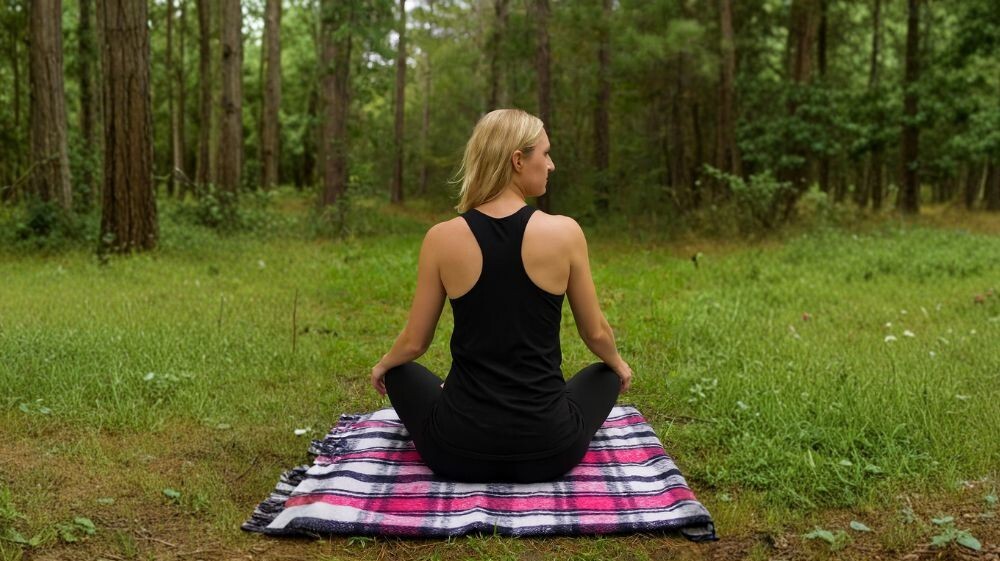
A grounded moment in nature—your Svaroopa blanket doubles as support for meditation and comfort at camp. Source
4. The Beach Day Must-Have: Sand Free Towel
If your camping trip takes you near water, these towels are essential. Made to repel sand and dry quickly, they keep your tent clean and your gear dry.
- Best for: Lakes, beaches, and makeshift shower curtains.
Final Thoughts
Are recycled blankets good for camping? Absolutely. They are the soulful, sustainable, and sensible choice for anyone who loves the outdoors. By choosing recycled, you aren't just saving money; you are joining a movement that values resourcefulness over consumerism.